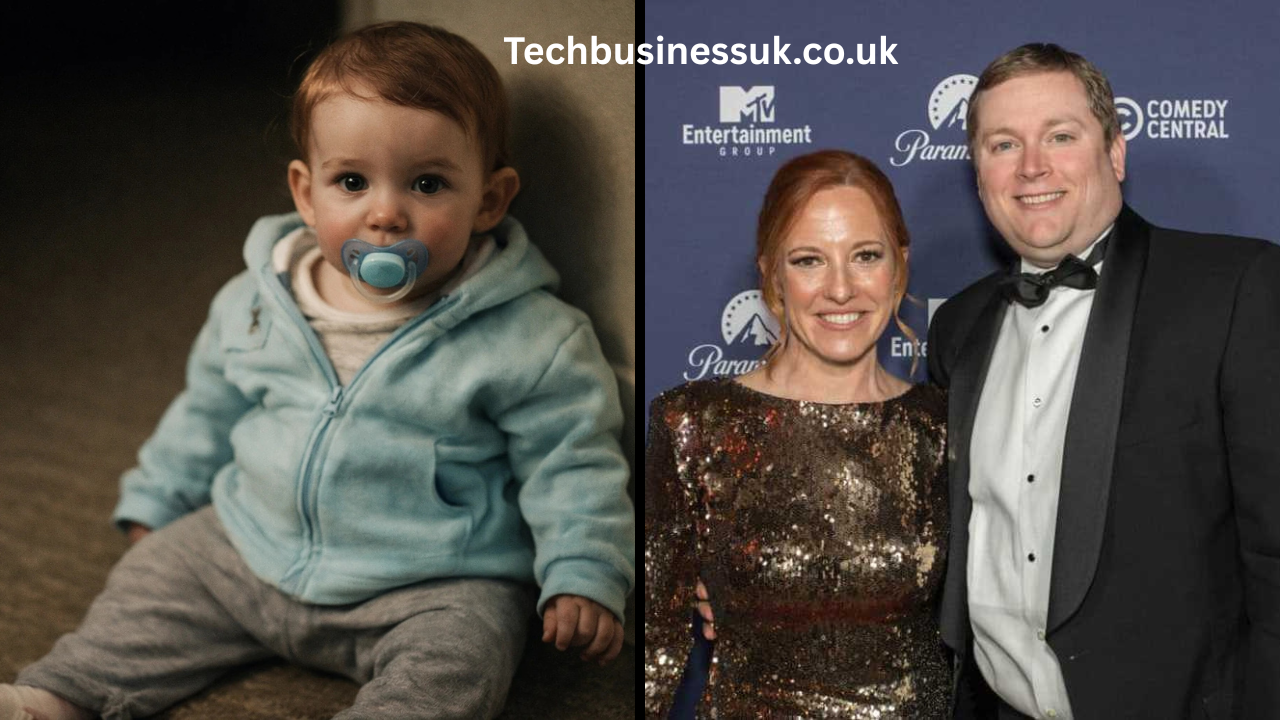
If you look closely at trending data metrics, a fascinating, if slightly unsettling, phenomenon emerges: the minor children of political staff and commentators often pull in search volumes that rival mid-sized corporations. Take a name like Genevieve Mecher. To her friends and family, she’s just a kid trying to navigate school and live a normal life. But to the internet’s relentless algorithms, she’s a high-performing keyword, permanently linked to her mom, Jen Psaki.
The minute someone takes a high-profile media job, their entire family gets dragged into the spotlight with them. Next thing you know, millions of random people are trying to look up where their kids go to school or dig into their private lives. This digital wake follows them everywhere, raising a critical question: when did a parent’s career choice become a contract that forfeits a child’s right to obscurity?
The Human Element Behind the Podium
Why are we so obsessed with the family lives of political commentators? It’s usually not malicious—it’s just human nature to want to see the contrast. For years, people saw Jen Psaki as this incredibly calm, calculated public figure handling hostile questions under blinding lights. The public naturally craves the human element behind that polished political armor. We want to know: What does the person who manages global crises all day look like when they are just being a mom?
When the keyword Genevieve Mecher gets typed into a search bar, it is often by a user looking for that exact juxtaposition. They want to see the press secretary dealing with a bedtime routine or a toddler’s tantrum instead of a room full of eager journalists. We look at these families to humanize the political figures we either admire or dissect on the evening news.
However, in our pursuit of finding the “real person” behind the political title, we frequently forget that the child at the center of that curiosity never signed up for the narrative. Unlike elected officials who choose to place their families on campaign stages, staffers, strategists, and media hosts are unelected professionals. Their children do not belong to the public domain. Yet, the internet treats them as secondary characters in a national political drama, indexing their names and transforming their childhood milestones into public trivia.
The Case for an Ethical Media Ecosystem
Imagine growing up where your entire online footprint is built by total strangers before you’re even old enough to have a social media account. Every time your name gets brought up, you’re dragged into messy political debates and toxic comment sections you had absolutely nothing to do with. This is the reality for minors caught in the crosshairs of political fame.
It makes us long for a healthier, fundamentally more ethical media ecosystem—one where the boundaries of political families and minors are treated with absolute reverence. We should collectively desire a digital world where a child’s name isn’t optimized for Search Engine Optimization (SEO) value just because their parent took a high-profile job.
We need a media world that draws a hard line between public figures and their families. Protecting a kid’s privacy isn’t just a polite thing to do; it’s a basic necessity for them to grow up safe and normal. Turning kids into clickbait just because their parents are famous basically signals that nothing is off-limits anymore.
Honestly, kids just need to be left alone. They deserve a normal childhood where they can mess up, grow up, and figure out who they are without millions of random strangers tracking everything they do.
Mindful Consumption in a Digital Age
Fixing this takes more than just nodding along, though. It requires a real shift in how every single one of us uses the internet. The algorithms that index names like Genevieve Mecher only do so because we supply the demand. The next time you find yourself clicking a link out of curiosity about a public official’s private family life, pause and hit the brakes.
- Stop giving them clicks: Cut off the ad money that gossip blogs and trashy sites live on. Just stop clicking on articles, lists, or social media posts that feature political figures’ kids.
- Support Strict Privacy Standards: Advocate for and support platforms, media networks, and legislative measures that implement strict privacy standards protecting minors from digital indexing and unauthorized exposure.
- Change the Culture: Let’s shift our online discussions to focus strictly on policies, performance, and public actions—leaving the families entirely out of the arena.
The podium will always belong to the public, but the living room belongs to the family. Let’s do our part to keep it that way, giving the next generation the privacy they need to build their own futures on their own terms.
About the Author